
Have you ever walked into a room and felt an uncanny certainty that you’ve been there before, even though you know you haven’t? That strange, fleeting sensation—like your brain is playing a trick on you—is called déjà vu. It happens to most people at some point, yet it remains one of the mind’s most mysterious experiences.
If this sensation has ever unsettled you, you’re not alone. Déjà vu is surprisingly common, affecting about 60-70% of people at least once in their lifetime. Understanding what’s happening in your brain during these moments can help demystify the experience and put your mind at ease.
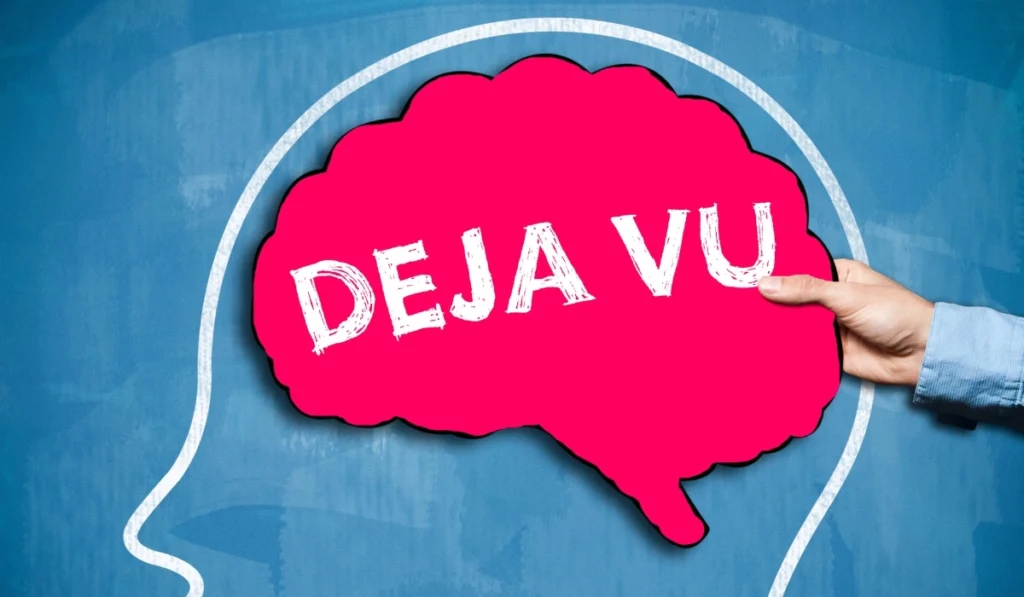
What Exactly Is Déjà Vu?
The term “déjà vu” comes from French, meaning “already seen.” It describes that peculiar feeling of familiarity with a situation that you’re experiencing for the first time.
The sensation typically lasts only a few seconds. During that brief window, your brain seems convinced it has encountered this exact moment before.
What makes déjà vu particularly intriguing is its paradoxical nature. You simultaneously recognize the experience as new while feeling certain you’ve lived it before. This internal conflict is what makes the sensation so distinctive and, for some people, slightly unsettling.
How Your Brain Processes Memory
To understand why déjà vu happens, we need to look at how your brain processes and stores memories.
Think of your brain as having different filing cabinets for different types of information. Some files go directly into long-term storage, while others sit in a temporary inbox for short-term reference.
Your brain is constantly taking in sensory information—sights, sounds, smells, textures—and deciding what’s important enough to remember. This happens automatically, without you consciously thinking about it.
Occasionally, however, this system experiences a brief glitch.
What Causes Déjà Vu? The Leading Scientific Explanations
Memory Recognition Error
The most widely accepted explanation suggests that déjà vu occurs when there’s a momentary miscommunication between the parts of your brain responsible for memory formation and recognition.
In simple terms, your brain’s “recognition center” fires a signal before your “memory storage center” has finished processing the current experience.
Imagine you’re watching a movie, and for a split second, the next frame appears before the current one finishes playing. Your brain experiences something similar—it tags the present moment as a memory before fully registering it as a new experience.
This creates that eerie sensation of familiarity.
The Dual Processing Theory
Another explanation involves your brain processing the same information through two different pathways simultaneously.
Normally, sensory information travels along one neural route. But occasionally, a slight delay occurs in one pathway, causing the same information to arrive at your conscious awareness twice—once immediately, and again a fraction of a second later.
When the delayed signal arrives, your brain interprets it as a memory because it has already processed that information moments before. Despite the delay being imperceptible, it’s enough to create that “already seen” feeling.
Pattern Recognition Gone Slightly Awry
Your brain is exceptionally good at recognizing patterns and making connections between new experiences and old memories.
Sometimes, it might detect a subtle similarity between your current situation and a past memory. Perhaps the lighting in a room resembles a place you’ve been, or the arrangement of objects triggers an unconscious association.
This partial match can activate your memory system without bringing a specific memory to mind. You feel the familiarity without being able to identify why, creating that characteristic déjà vu sensation.
Why Some People Experience Déjà Vu More Often
Research has revealed some interesting patterns about who experiences this phenomenon more frequently:
Younger people tend to report déjà vu more often than older adults. This may be because younger brains are more neurologically active and flexible, making minor processing hiccups more common.
People who travel frequently or experience many new situations may encounter déjà vu more regularly. When your brain is constantly processing novel environments, the chances of a recognition error increase.
Stress and fatigue can make déjà vu more likely. When you’re tired or mentally exhausted, your brain’s processing systems may be more prone to these temporary miscommunications.
People with certain neurological conditions, particularly epilepsy, may experience déjà vu more intensely or frequently, as the sensation can precede seizure activity in some cases.
When Déjà Vu Might Be a Concern
For the vast majority of people, déjà vu is completely harmless—just a curious quirk of how your brain works.
However, there are situations where you might want to pay attention:
- If déjà vu becomes very frequent (several times a day or week)
- If the sensation lasts longer than a few seconds or minutes
- If it’s accompanied by other symptoms like confusion, memory loss, or unusual sensations
- If it significantly interferes with your daily activities
In these cases, it’s worth consulting a healthcare professional. Very frequent or prolonged déjà vu can occasionally indicate underlying neurological activity that should be evaluated.
What Déjà Vu Reveals About Your Brain
Despite feeling strange, déjà vu actually demonstrates something remarkable about your brain.
It shows us that memory isn’t a simple recording device. It’s a complex, active process involving multiple systems working in precise coordination.
The fact that we can experience this glitch and recognize it as unusual reveals our brain’s impressive self-monitoring abilities. Your conscious mind can detect when something isn’t quite right with your memory processing, even if you can’t pinpoint exactly what’s happening.
Understanding Déjà Vu: The Takeaway
Déjà vu remains one of neuroscience’s enduring mysteries, but current evidence suggests it’s a minor, temporary disruption in how your brain processes and recognizes information.
Rather than being something to worry about, it’s a fascinating window into the complex machinery of consciousness and memory.
The next time you experience that uncanny “I’ve been here before” sensation, you can recognize it for what it likely is. Your brain’s recognition system is firing a moment too early, creating a brief but harmless illusion of familiarity.
It’s not a glitch in reality. It’s just your brain showing you that even the most sophisticated processing systems can have momentary hiccups.
And perhaps that’s reassuring in its own way. It reminds us that our brains, for all their remarkable capabilities, are wonderfully human and imperfect.
Key Takeaways:
- Déjà vu is a common experience affecting 60-70% of people
- It occurs due to temporary miscommunication in brain memory systems
- The sensation typically lasts only a few seconds
- Younger people and frequent travelers experience it more often
- Occasional déjà vu is harmless, but frequent episodes may warrant medical attention